Original Paper: Clark et al., “Gambling Near-Misses Enhance Motivation to Gamble and Recruit Win-Related Brain Circuitry,” Neuron, 2009 →
This is part of our Research Series where we break down key gambling addiction studies in plain English.
What the Researchers Did
A team at Cambridge University put people in an fMRI brain scanner and had them play a slot machine. They tracked exactly which parts of the brain activated during three scenarios: winning, losing, and near-missing (where two out of three symbols matched but the third just missed).
What They Found
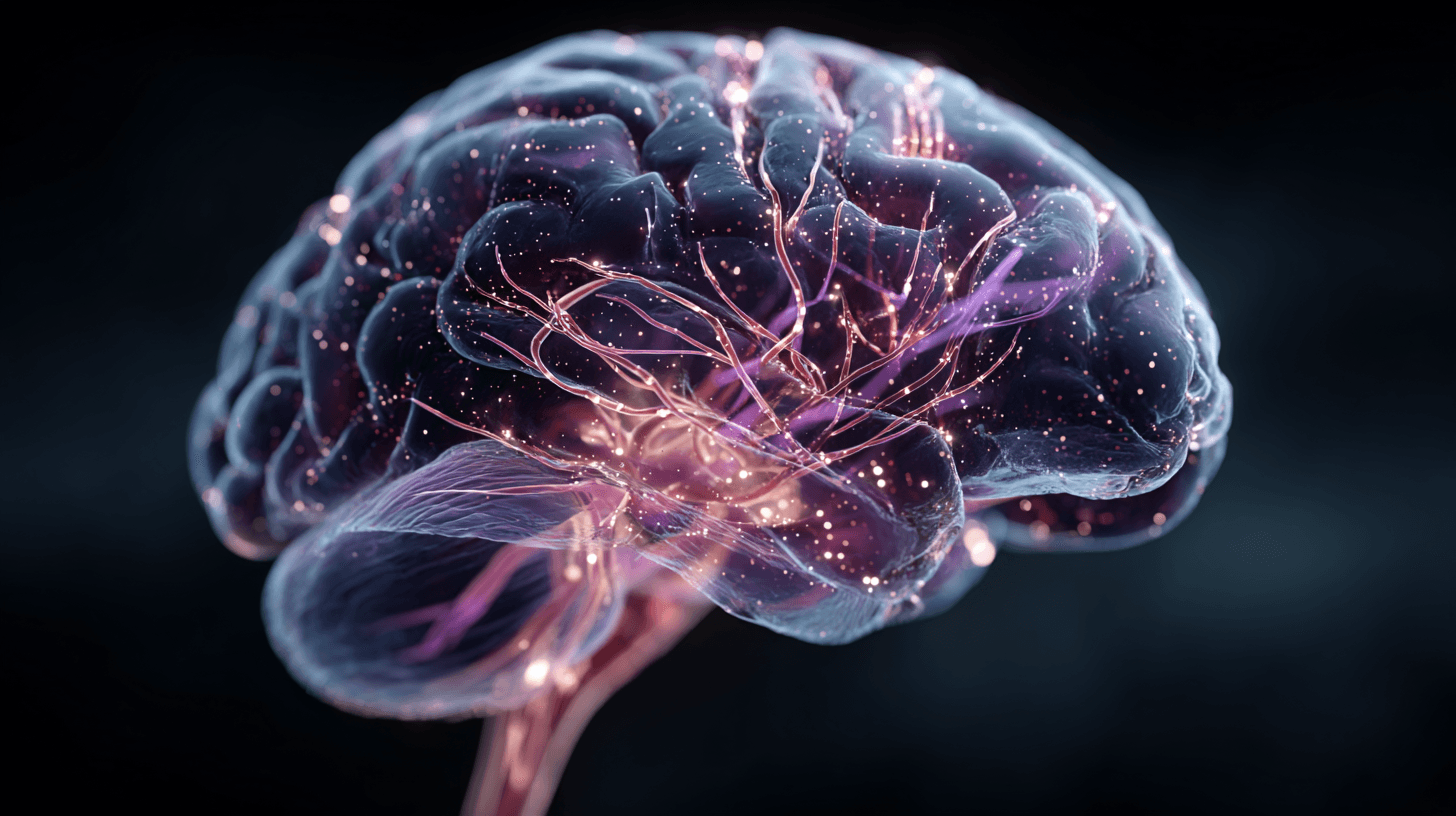
Near-misses activated the same brain reward circuitry as actual wins. Specifically, the ventral striatum (your brain's core reward center), the anterior insula (risk processing), and the ventral tegmental area (where dopamine neurons originate) all fired during near-misses just like they did during real wins.
Here is the critical part: participants rated near-misses as unpleasant. They knew they lost. But their brain's reward system treated it like a win. The conscious mind said “I lost” while the dopamine system said “almost — try again.”
Why This Matters
This means your brain literally cannot tell the difference between almost winning and actually winning. Every near-miss on a slot machine, every “close call” on a sports bet, triggers the same neurochemical response as a real payout. You feel the rush, the excitement, the pull to keep going — even though you lost money.
A follow-up study by Chase and Clark in 2010 found something even more troubling: the more severe your gambling problem, the stronger your brain responds to near-misses. Addiction amplifies the false signal. The deeper you are, the harder every near-miss hits.
The Key Numbers
Modern slot machines are programmed to deliver near-misses at approximately 30% frequency — the exact rate research shows maximizes continued play. This is not a coincidence. It is engineering.
What This Means for Your Recovery
Understanding this changes the story you tell yourself. When you feel the pull to “just try one more time,” that is not intuition or a gut feeling that you are about to win. It is a documented neurological glitch being exploited by a machine designed to trigger it. The near-miss is not a sign you are close. It is a manipulation tactic and it works on everyone, not just you.
This is why blocking access to gambling apps is so effective. It removes the trigger entirely. Your brain cannot be tricked by a near-miss if it never sees one.
Read More Research
- Study: How Betting Apps Are Designed to Manipulate You
- Study: Your Brain Starts Healing in 3 Weeks
- All Research →
Ready to start your recovery?
Download NoBet